The Right Mix of Independence and Togetherness
A healthy relationship brings two people together, but it should never require them to lose their individuality.
One of the most interesting aspects of relationship dynamics is finding the balance between shared experiences and personal independence.
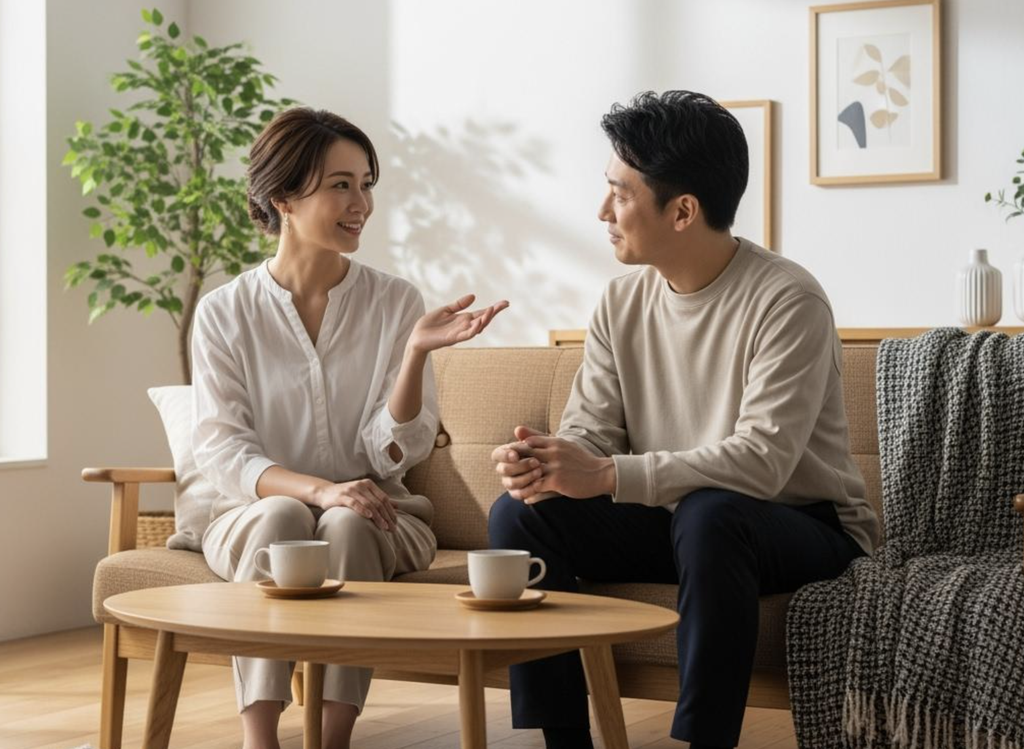
Couples often enjoy spending time together, building traditions, and planning their future. At the same time, both individuals need opportunities to pursue personal interests, maintain friendships, and develop their own identities.
Finding the right balance can help create a partnership that feels both connected and comfortable.
Why Independence Is Important
Being in a relationship doesn’t mean that every activity must become a shared experience.
Personal interests allow individuals to continue discovering what makes them happy and fulfilled.
One partner may enjoy reading, while the other prefers sports or creative hobbies. These differences can bring fresh perspectives and interesting conversations into the relationship.
Personal independence also encourages confidence and individual development.
When both people have room to grow, they can bring new experiences and ideas into their shared life.
Togetherness Creates Shared Identity
While independence is important, spending meaningful time together also plays a significant role.
Shared activities help couples build memories, strengthen emotional connections, and develop a sense of partnership.
These experiences don’t need to be complicated.
Cooking dinner, exploring a new place, watching a movie, or taking an evening walk can create opportunities for connection.
Regular shared activities also help couples maintain traditions that make their relationship feel unique.
Understanding Different Needs for Personal Space
People have different preferences when it comes to social interaction and personal time.
Some enjoy frequent conversations and activities together, while others need more quiet time to recharge.
These differences are not necessarily signs of incompatibility.
The important thing is learning to understand each other’s preferences without interpreting every request for personal space as a lack of affection.
Open conversations about individual needs can prevent unnecessary misunderstandings.
Avoiding the Pressure to Do Everything Together
A relationship becomes more balanced when both partners feel free to maintain their own interests.
Expecting someone to participate in every activity or share every preference can create unnecessary pressure.
Instead, couples can appreciate the experiences they enjoy together while respecting the activities they prefer to pursue separately.
This approach creates room for individuality without weakening the emotional connection.
How to Create a Healthy Balance
There are several practical ways to maintain both independence and togetherness:
1. Maintain individual interests. Make time for hobbies, friendships, and personal projects.
2. Create shared traditions. Choose activities that both partners genuinely enjoy.
3. Discuss expectations. Talk openly about how much time together and personal space each person prefers.
4. Respect boundaries. Understand that personal time is a normal part of a healthy partnership.
5. Support individual goals. Encourage each other’s ambitions and celebrate personal achievements.
6. Stay emotionally connected. Even during busy periods, make time for meaningful conversations and affection.
Finding Balance as Life Changes
Relationship balance is not a fixed formula.
Work schedules, family responsibilities, personal ambitions, and changing circumstances can influence how much time couples spend together.
What works during one stage of life may need adjustment during another.
Regular conversations help partners understand these changes and find arrangements that work for both individuals.
Flexibility and mutual understanding are essential.